
The Secretariat of the PCK under KazNANS reports that on 6 October 2026, in accordance with subparagraph 1.3 of Section I of the “2026 Action Plan of the Pugwash Committee of Kazakhstan” (*Law of the Republic of Kazakhstan “On Artificial Intelligence” — holding a lecture/seminar on the topics “Digital Hygiene: How to Protect Yourself in the Online World” (on cybersecurity) and “Smart Technologies Around Us: How Artificial Intelligence Is Changing Everyday Life”), an event was held in a hybrid format at the KazRENA Association (Almaty) and ICNT “NSK” (Astana), with the participation of PCK members, representatives of the scientific community, and teachers and students of universities, colleges and lyceums in Astana, Almaty and Semey. (Programme — Appendix 1.)
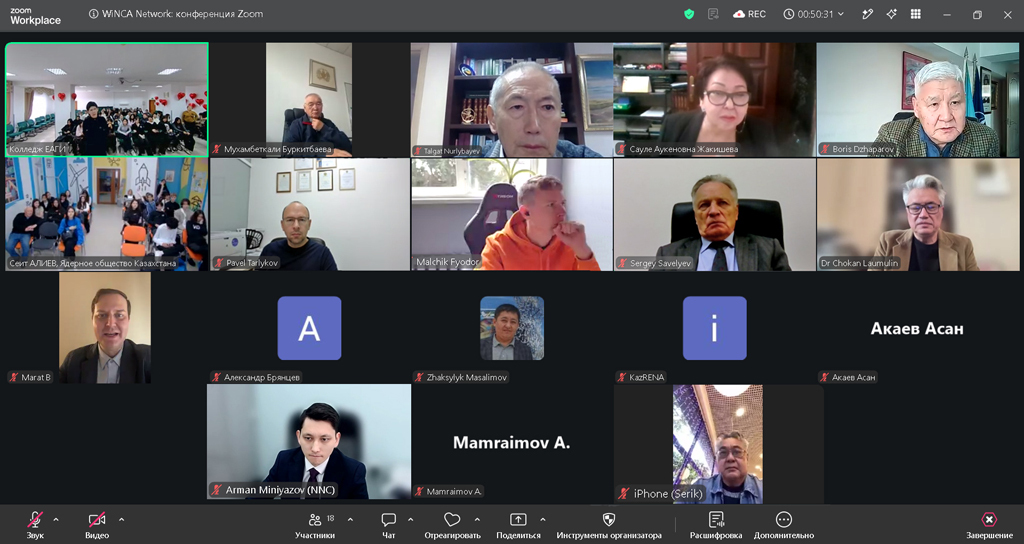
Professor Dzhaparov B.A. (moderator), Director General of the KazRENA Association, opened the seminar with introductory remarks and presented the event programme to the participants.
Nurlybayev T.A., an IT expert from the KazRENA Association, spoke first, delivering presentations on “Digital Hygiene: How to Protect Yourself in the Online World” and “Smart Technologies Around Us: How Artificial Intelligence Is Changing Everyday Life”.
Baypakov M.K. (PhD) gave a presentation on “Artificial or Fake Intelligence”.
Aliyev S.A. — on “Social Networks in the Modern World”.
All presentations were followed by discussion and answers to questions from the participants.
PCK members Professor Zhakisheva S.A. of Al-Farabi KazNU and Professor Laumulin Ch.T. of KBTU took part in the discussions. They shared their experience of using artificial intelligence in working with students, noting which tasks it assists with in the learning process and which, conversely, entail risks and require supervision by the teacher.
The event helped raise participants’ awareness of the opportunities and risks of artificial intelligence, the provisions of the Law of the Republic of Kazakhstan “On Artificial Intelligence”, digital hygiene rules and measures to protect against online fraud, including fraud involving deepfakes, and helped develop a culture of responsible use of artificial intelligence technologies in education and scientific activities.
Professor Dzhaparov B.A. summed up the seminar, thanked the speakers and discussion participants, highlighted the relevance of the issues considered and the practical value of the seminar, and supported the continuation of such events for young people and the scientific community. The seminar is consistent with the objectives of the Year of Digitalisation and Artificial Intelligence and the United Nations Sustainable Development Goals (SDGs) concerning the elimination of the digital divide.
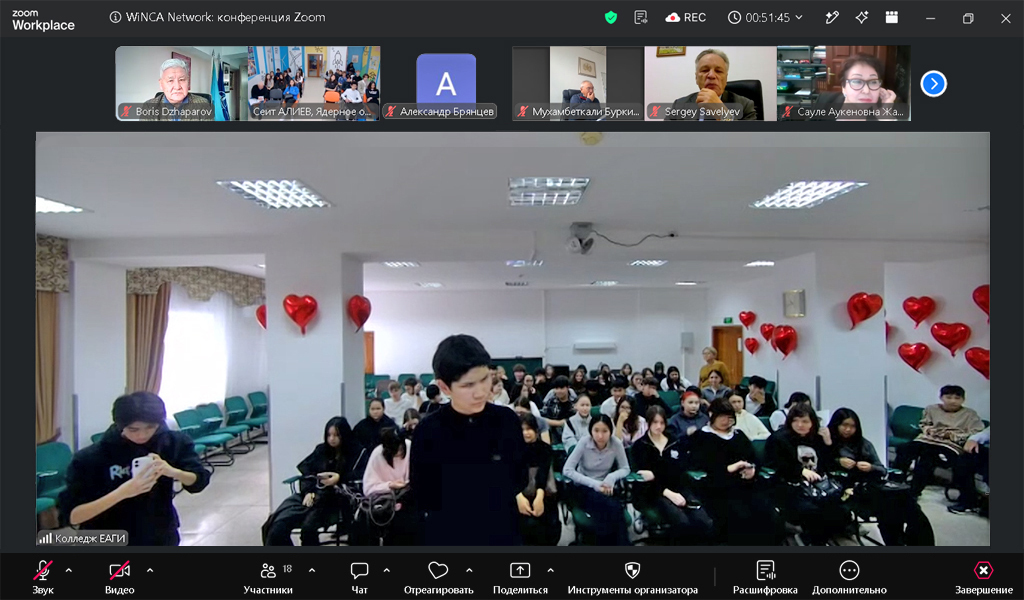
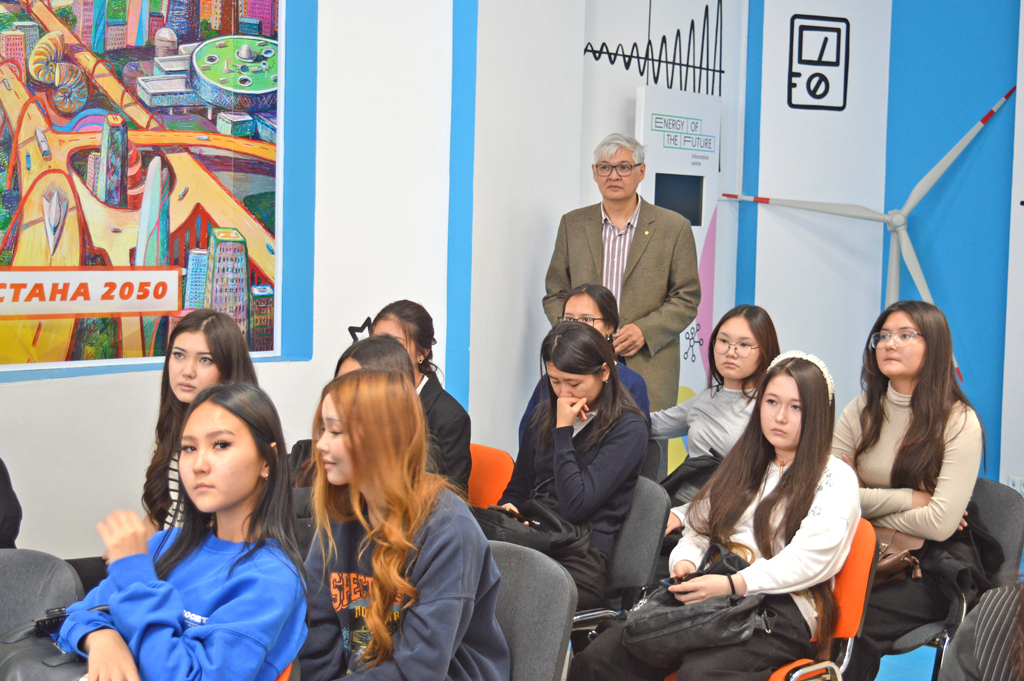
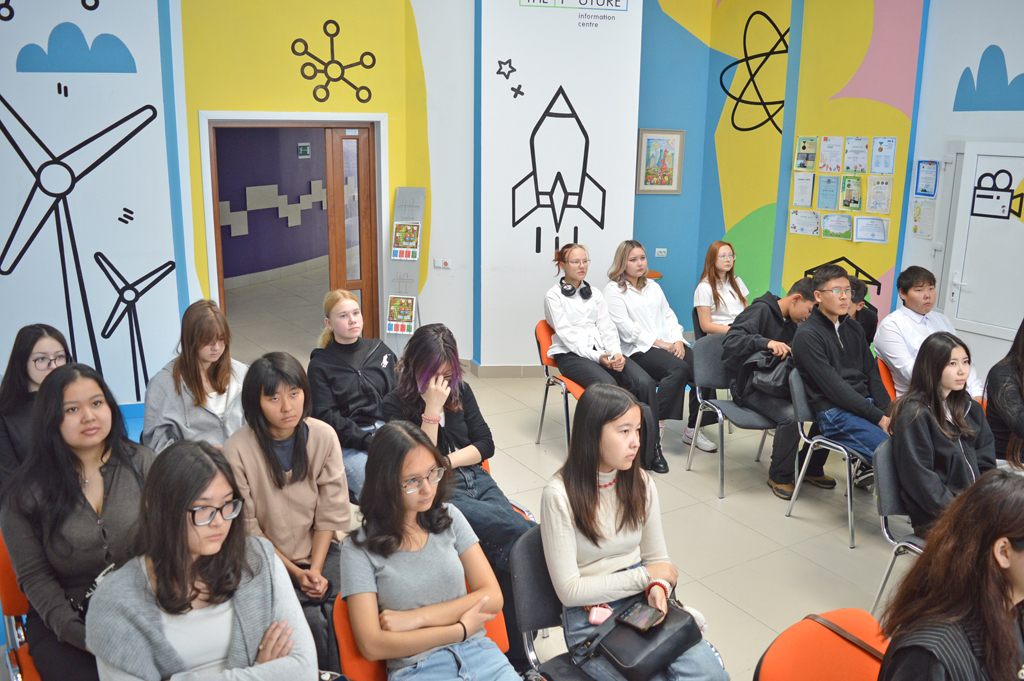
In total, about 60 people took part in the event.
Details on the website: http://www.nuclear.kz/